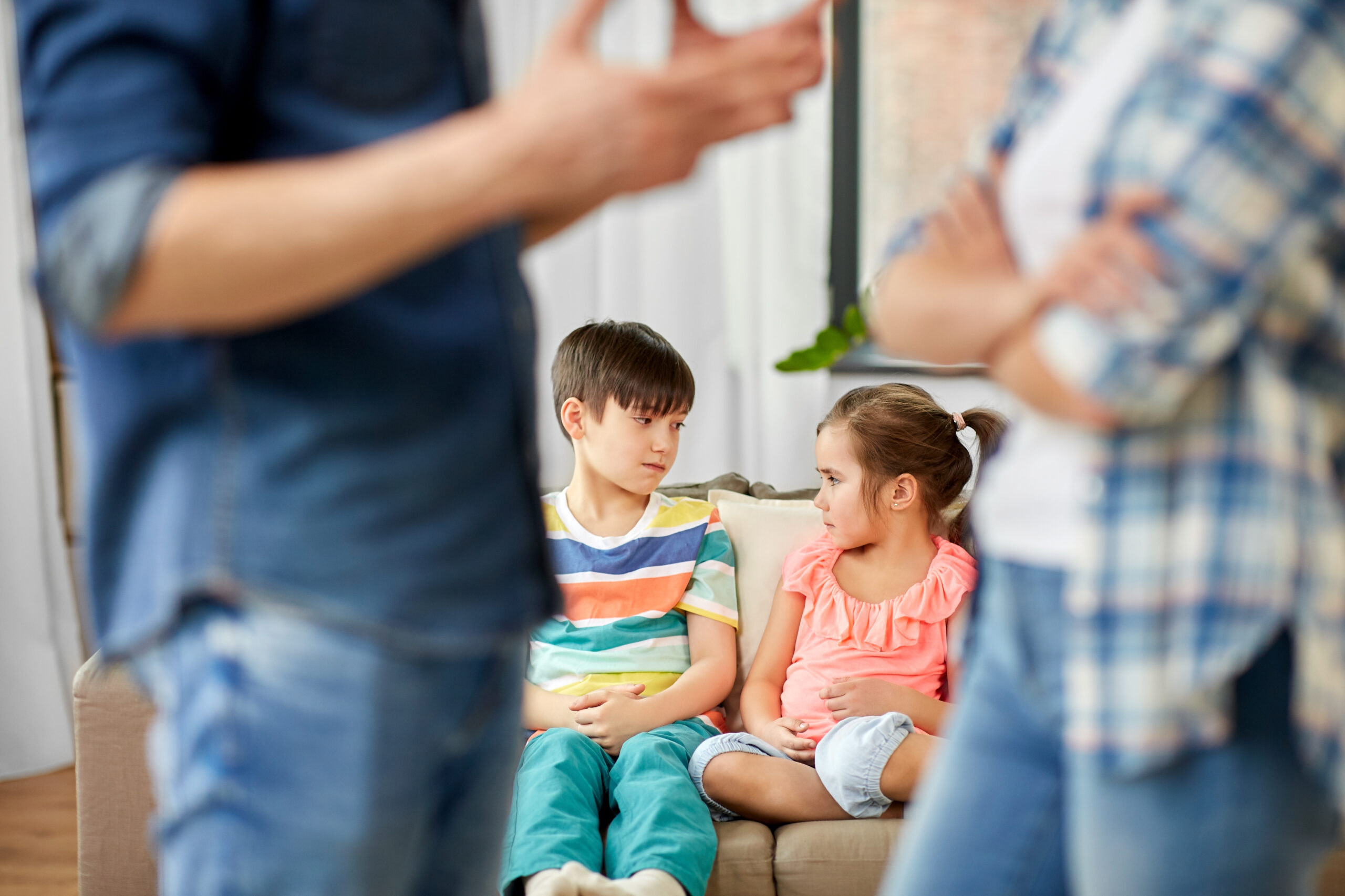
Everyone disagrees from time to time, and when you’re busy parenting, working, and dealing with life in general, it can be stressful.
The Effects of Parental Conflict on Children
However, high levels of conflict between parents can put your child at risk and have a negative impact on their sense of self and safety.
Understanding Family Violence and Its Consequences
At the higher end of the conflict scale, family violence is classified as the misuse of power and control, with an intentional pattern of coercive behaviour designed to dominate family members. It can leave children and partners fearing for their safety and wellbeing.
At different times in a person’s life, parents can experience several stressful events including welcoming a new baby, separation or divorce, financial problems, drug and alcohol problems, and mental health issues. This can all lead to parental conflict and can have dire consequences for everyone.
Post-Separation Conflict: Protecting Your Child’s Wellbeing
A relationship breakdown can lead to an increase in parental conflict. The type of post-separation conflict which has the most harmful effects on children, is when parents put their children in the middle of their dispute.
Examples of parental conflict behaviour that impacts heavily on children includes:
- asking children to carry hostile messages to the other parent
- asking children intrusive questions about the other parent
- demeaning or putting down the other parent in the presence of the child/ren
- asking the children to hide information from the other parent, and
- making the children feel they need to hide positive feelings for the other parent
This kind of behaviour can make children feel unsafe, they might worry about taking sides, or they may feel guilty and believe they are the ones at fault.
It’s important for parents to remember they are the model for what a healthy relationship looks like, and an ability to resolve problems and communicate effectively with a former partner is best for everyone involved.
If you and the other parent of your children have recently separated, there several things you can do to help children work through this process.
Protective Steps to Support Children After Separation
Firstly, providing an environment where children feel physically and psychologically safe is vital to their wellbeing and should be the top priority for parents.
Other protective factors for children after separation include:
- having a positive, warm and caring relationship with at least one, and preferably two, actively involved parents
- having positive relationships with siblings, and
- being able to spend time with other important people with whom the child has a close relationship (such as aunts, uncles and grandparents).
If you have any questions about separation, divorce, parental agreements or custody issues, please contact our office and we’ll ensure your matter reaches our Family Law team. Our family law specialists are here to help.
Contact our office today on (07) 3288 3511 or email: info@springfieldlegals.com.au to make an appointment.